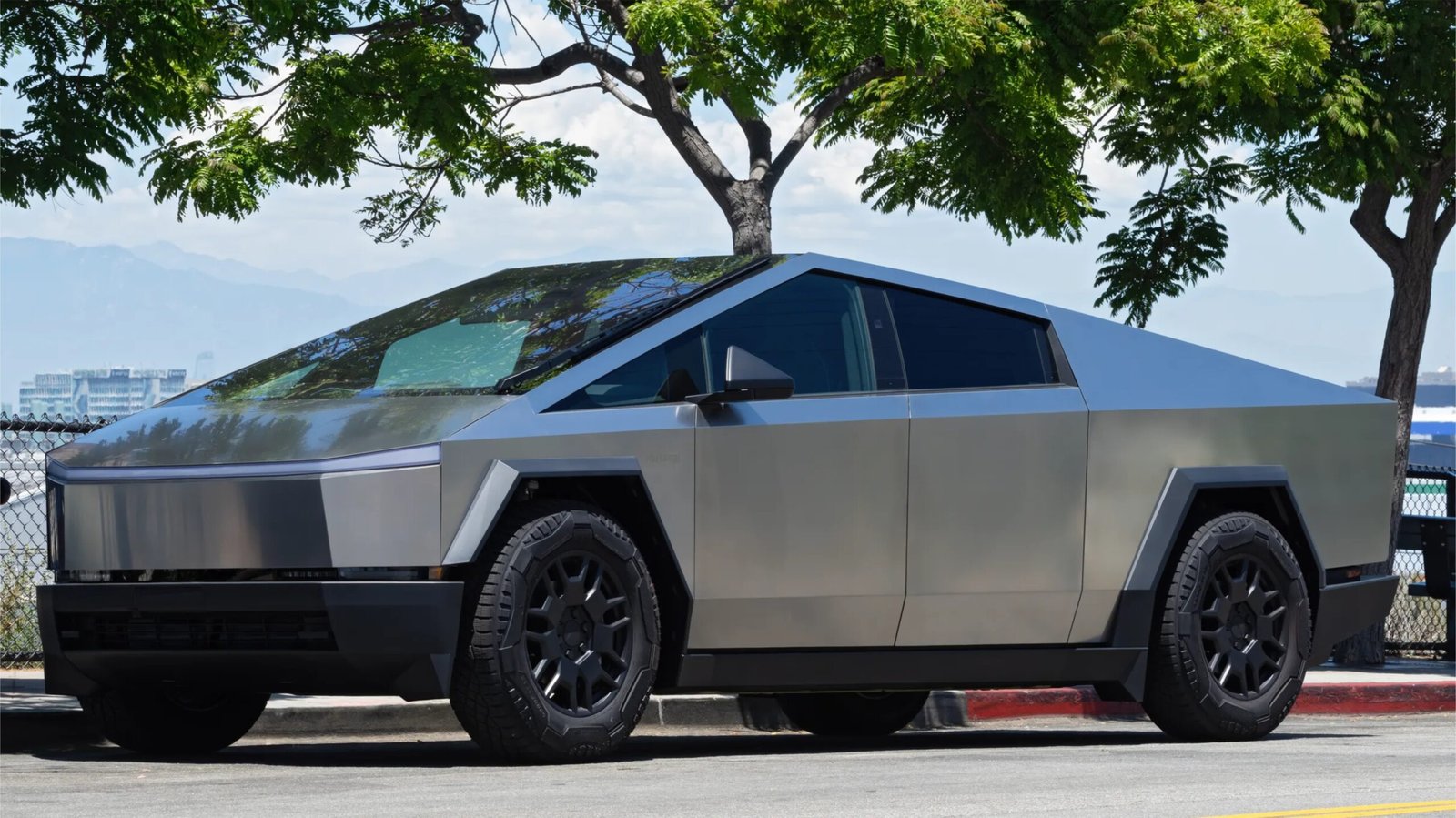
The recent lawsuit involving a Tesla Cybertruck, where a driver alleges the vehicle, equipped with Full Self-Driving (FSD) mode, unexpectedly drove into a concrete barrier, serves as a stark reminder of the intricate challenges emerging with advanced automotive technology. While the immediate focus is on legal liability, this incident inherently raises questions about how such failures would be addressed under an extended warranty.
Beyond the Immediate Accident: The Extended Warranty Perspective
At MCS Mechanical Shop, we understand that today’s vehicles, with their sophisticated software and interconnected systems, introduce new layers of complexity to mechanical failures. An incident like the Cybertruck’s, whether attributed to a software glitch, component malfunction, or user error, necessitates a meticulous investigation. For our clients in Orlando, Florida, this scenario underscores a fundamental truth: possessing an extended warranty does not automatically guarantee claim approval, especially when the root cause involves cutting-edge technology like FSD.
Our experience as warranty claim experts consistently shows that the pathway to a successful claim is paved with undeniable proof, an unassailable process, and the insight of seasoned professionals. A standard repair shop, focused solely on diagnosing the immediate symptom, often lacks the specialized understanding and documentation protocols required to navigate claims involving advanced systems or ambiguous failure modes. This oversight frequently leads to denied claims, leaving vehicle owners frustrated and facing substantial repair costs out of pocket.
The Technical Documentation Imperative for Warranty Approval
Consider the Cybertruck situation from an extended warranty standpoint: simply stating that the ‘truck drove into a barrier’ is insufficient. For a claim to be approved, the warranty provider demands precise technical documentation detailing *why* the failure occurred. Was it an engine component? A transmission issue? In the case of FSD, was it a sensor failure, a software bug, or a mechanical system malfunction influenced by the FSD system? Without clear, verifiable evidence and a deep understanding of the warranty contract’s specific terms and exclusions, the claim is highly vulnerable to denial.
Most denied claims we encounter stem from inadequate technical substantiation by the servicing workshop. This includes failing to properly review the warranty contract for specific coverage details, not conducting comprehensive diagnostic tests that isolate the exact point of failure, or submitting incomplete or unclear documentation to the warranty company. Effective communication with warranty adjusters is equally crucial, requiring precise technical language and an understanding of their evidentiary requirements. We meticulously build each claim from the ground up, ensuring every technical detail, diagnostic report, and contractual clause supports our client’s position.
Don’t let a technical detail invalidate your rights. Schedule your free Warranty Claim Strategy Session at mcsmechanicalshop.com