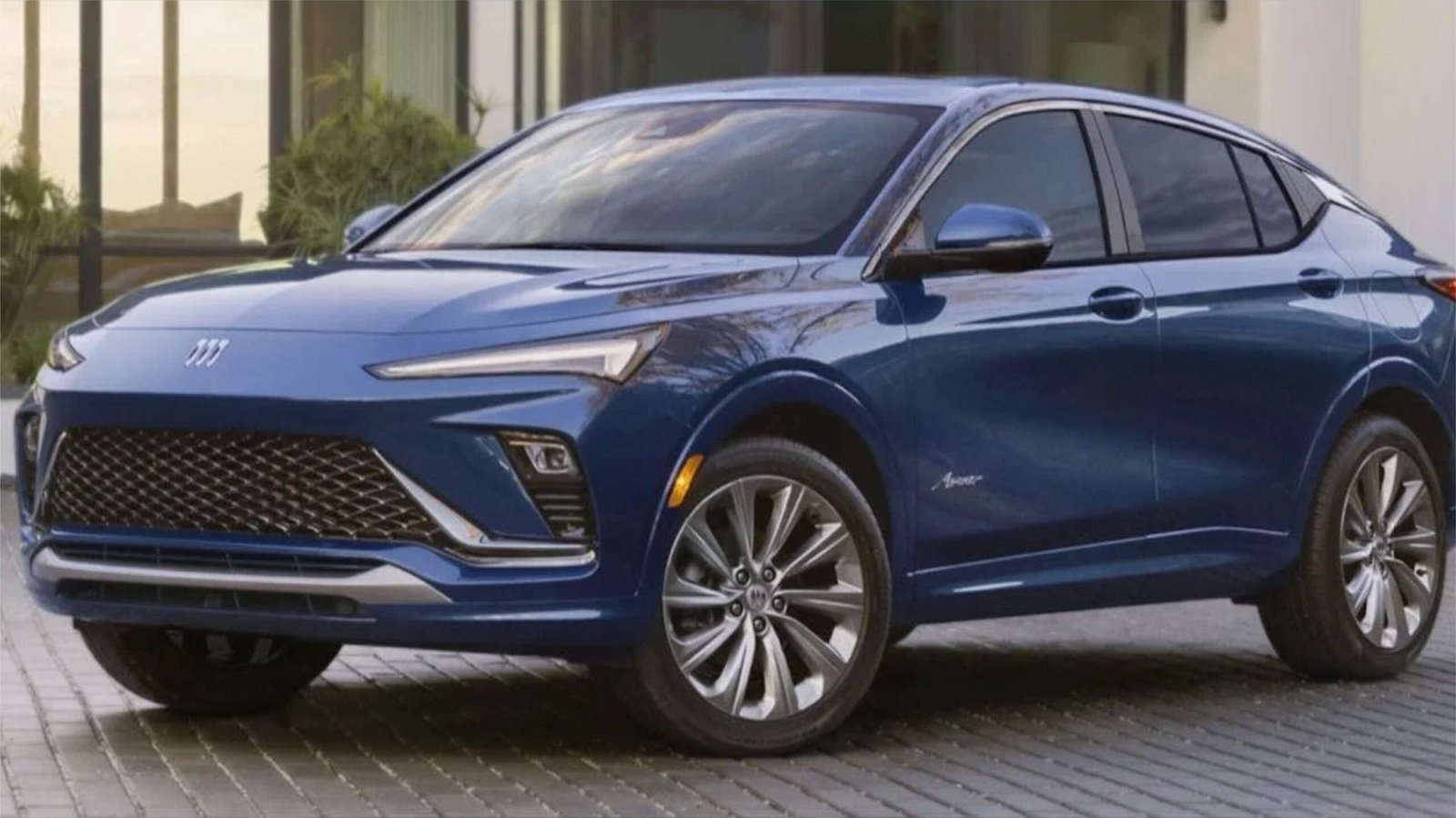
A recent Technical Service Bulletin (TSB) concerning the 2024-2025 Buick Envista vehicles highlights a crucial point often overlooked by vehicle owners and even some repair shops: a diagnostic trouble code (DTC) is only the beginning of a complex process, especially when extended warranty claims are involved. What appears to be a straightforward technical issue, such as a service charging system message accompanied by DTC P0621, can quickly become a significant hurdle if not managed with meticulous expertise. For MCS Mechanical Shop, this bulletin underscores our core philosophy: having an extended warranty is not merely about coverage, but about knowing precisely how to activate it correctly when unforeseen issues arise.
The Technical Service Bulletin: Buick Envista Charging System Alert
The bulletin states: "This bulletin applies to 2024-2025 Buick Envista vehicles. The CEL/MIL may be on with a service charging system message. DTC P0621 may be set as current or history. GM Engineering…"
Beyond the Code: Why a "Mystery" Becomes a Warranty Challenge
While a TSB identifies a known concern, such as the P0621 DTC indicating a generator control circuit malfunction, the challenge for vehicle owners lies in translating this diagnosis into an approved extended warranty claim. Many believe that if their vehicle is under an active warranty, any repair related to a documented code will be automatically covered. However, this is a common misconception. As warranty claim experts, we observe that the vast majority of denied claims, even for seemingly clear issues like a charging system failure, stem from technical errors made by the diagnosing workshop—not necessarily from the warranty provider denying a valid claim outright.
The MCS Approach: Documenting for Approval, Not Just Diagnosis
The P0621 code, while pointing to a specific electrical system component, requires more than just reading the fault. For successful extended warranty approval, a comprehensive and irrefutable case must be built. This includes, but is not limited to: a detailed diagnostic narrative explaining the sequence of tests performed, precise measurement data (e.g., voltage, amperage readings), photographic or video evidence of component failure, and a clear explanation linking the diagnosed fault to a specific covered component and its internal failure. Inadequate documentation, such as generic descriptions, missing diagnostic steps, or a failure to demonstrate the internal mechanical or electrical failure of a covered part (like an alternator, which is often a covered component under extended warranties), creates ambiguity that warranty providers frequently leverage for denial.
Our role at MCS Mechanical Shop transcends basic diagnosis. We meticulously review your warranty contract to understand specific coverage parameters, then strategically construct your claim. This involves ensuring every technical detail is precisely documented, every required test is recorded, and direct communication with warranty adjusters is expertly managed. We understand that warranty approval requires undeniable proof, a rigorous process, and the seasoned experts who can navigate these intricacies.
Secure Your Rights: Partner with Warranty Claim Experts
Don't let a technical detail, or the lack thereof, invalidate your extended warranty rights. A diagnostic code is a symptom, but building an approved claim requires a strategic approach. We specialize in transforming complex mechanical and electrical issues into clear, approvable warranty cases. Schedule your free Warranty Claim Strategy Session at mcsmechanicalshop.com and let our warranty claim experts ensure your coverage works for you.